
Conscious Cannabis Consumption: 2026 Commitments for Equity
Cannabis legalization didn’t automatically create equity - and it won’t without intentional consumers. Your choices can help shape this industry. Read about why conscious cannabis consumption matters in 2026, along with practical commitments for using your purchasing power to support repair and Black ownership.
12/31/20252 min read
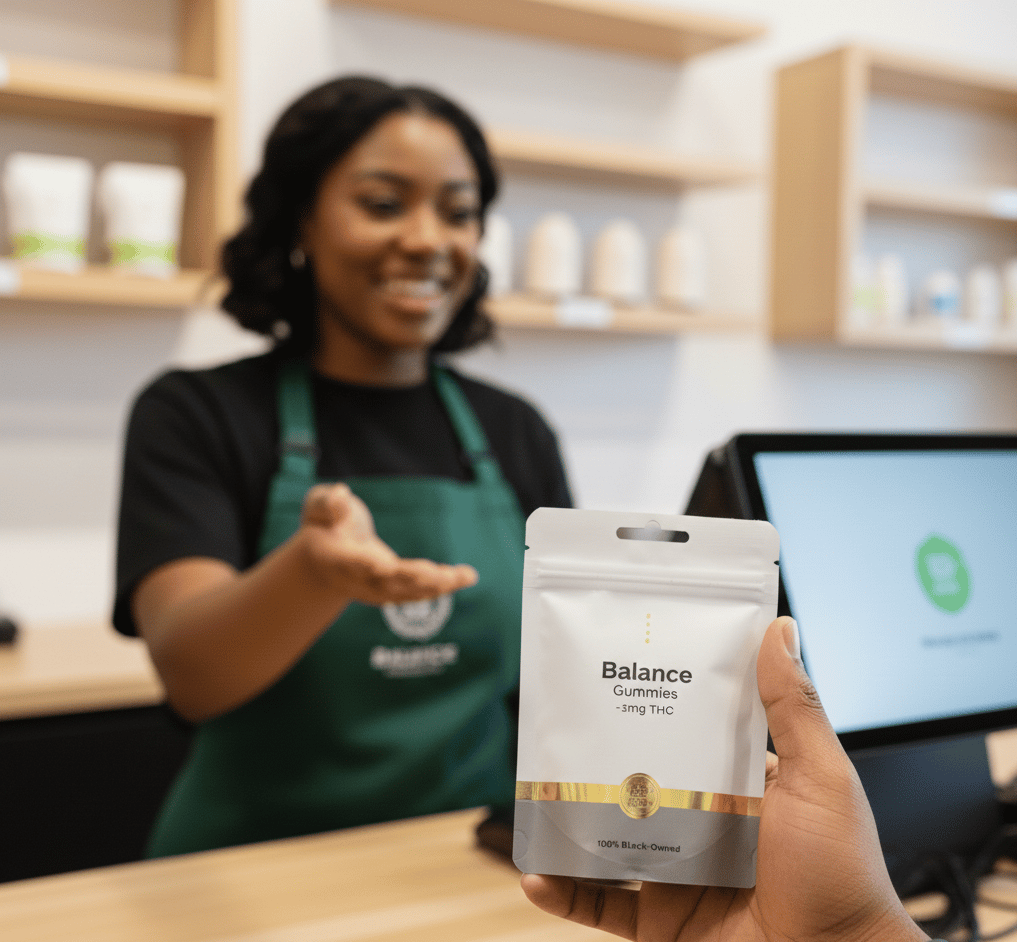
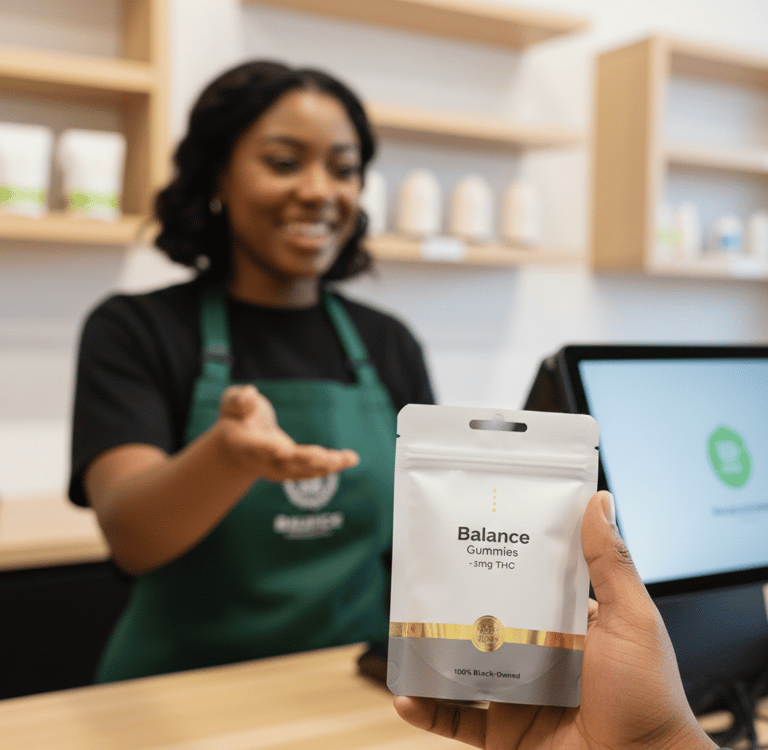
We have more power than we think.
As consumers, we don’t just influence trends, we shape industries.
The cannabis industry is still being written in real time. That means we still have the opportunity to make sure that equity is not a side conversation or an afterthought, but a guiding choice. And every purchase either reinforces the status quo or pushes us closer to repair.
Imagine if buying cannabis wasn’t just about potency, flavor, or price, but about impact.
What if consumers routinely asked:
Who owns this brand?
Who benefits from this sale?
What communities are being invested in and how?
Conscious cannabis consumption challenges businesses to move beyond catchy slogans and vague commitments. It demands transparency. It asks for proof. It expects systems that turn profit into repair - whether that’s reinvesting in communities harmed by prohibition, supporting Black-owned supply chains, or creating real pathways to ownership and leadership.
And imagine if budtenders weren’t just product experts, but impact storytellers.
If knowing the ethics behind a brand was as important as knowing the terpene profile.
If the story behind the product carried just as much weight as the high.
This isn’t about perfection. It’s about standards.
When consumers raise the bar, the industry follows. When we expect equity to be built into business models and not thrown on as an afterthought, we redefine what “premium” really means.
Conscious cannabis consumption is not a trend.
It’s a practice.
It’s a responsibility.
And it’s one of the most powerful tools we have to shape a cannabis industry rooted in repair, not extraction.
Legal cannabis did not automatically create equity. Conscious consumption requires intentional choices in an industry still shaped by harm and exclusion. In 2026, conscious consumption requires more than awareness, it requires commitment. Below are practical ways cannabis consumers can use their purchasing power to support community repair, accountability, and Black ownership:
1. Intentionally allocate my cannabis spending.
I will intentionally direct a portion of my cannabis budget to Black-owned and equity-centered cannabis businesses, recognizing spending as a tool for redistribution.
2. Make purchasing decisions based on impact, not convenience.
I will slow down, compare options, and choose products that align with my values - even when it costs more or takes more effort.
3. Learn the history of cannabis criminalization and its ongoing effects.
I will educate myself on the War on Drugs and its lasting impact on Black communities, so my choices are informed by context, not assumptions.
4. Expect evidence, not language, when businesses claim equity.
I will support companies that can clearly explain who benefits from their equity efforts and how resources are reinvested.
5. Ask budtenders specific questions at the point of sale.
I will ask informed, respectful questions before purchasing, including:
Who owns this brand?
Is this a Black-owned or equity-owned business?
Does this company reinvest in communities harmed by cannabis criminalization?
What equity-centered brands do you recommend?
Conscious consumption doesn’t require perfection or expertise. It begins with intention and grows through practice. Choose one commitment, make it a habit, and let your awareness - and impact - expand from there.
Equity in cannabis is not inevitable - it’s intentional.
What we buy, who we support, and what we demand will decide what this industry becomes.
In 2026, let’s commit together to conscious consumption that centers repair, accountability and equity.